
In this guide, you will learn the main causes of cold chain logistics failures, the warning signs to watch for, and the most effective ways to prevent them. Whether you manage food, pharmaceuticals, or any other temperature-sensitive product, this guide will give you practical answers.
What Are Cold Chain Failures
A cold chain failure occurs when temperature-controlled conditions are broken at any point in the supply chain. This can happen during storage, transport, loading, or even at the point of delivery. The product moves from a safe temperature range into a dangerous one. In most cases, the damage is irreversible.
Cold chain disruptions are not always dramatic. Sometimes a failure is as simple as a faulty door seal on a refrigerated van. Other times it is a power cut that hits a cold storage facility at 2am. Either way, the result is the same. Product integrity is lost.
Why It Matters So Much
The stakes are high across industries. In food logistics, a temperature breach can trigger a full product recall. In pharmaceutical supply chains, a single cold chain management failure can make life-saving medication ineffective.
Beyond the product itself, there are regulatory consequences. Many industries operate under strict temperature compliance rules. A failure can mean fines, lost licences, or serious reputational damage. So prevention is not optional. It is essential. Learn how we handle compliance and customs for sensitive goods.
Industries Most at Risk
Some sectors feel the impact of cold storage failures more sharply than others. These include:
- Food and beverage manufacturers and distributors
- Pharmaceutical and biotech companies
- Vaccine and blood product logistics providers
- Fresh produce importers and exporters
- Dairy, meat, and seafood supply chains
For each of these sectors, even a short temperature excursion can trigger significant losses. Therefore, cold chain management is a critical operational function rather than just a logistics consideration.
Common Causes of Cold Chain Failures
Understanding what causes cold chain failures is the first step toward fixing them. Most failures share a small set of root causes. Here is what goes wrong most often.
Equipment Breakdown
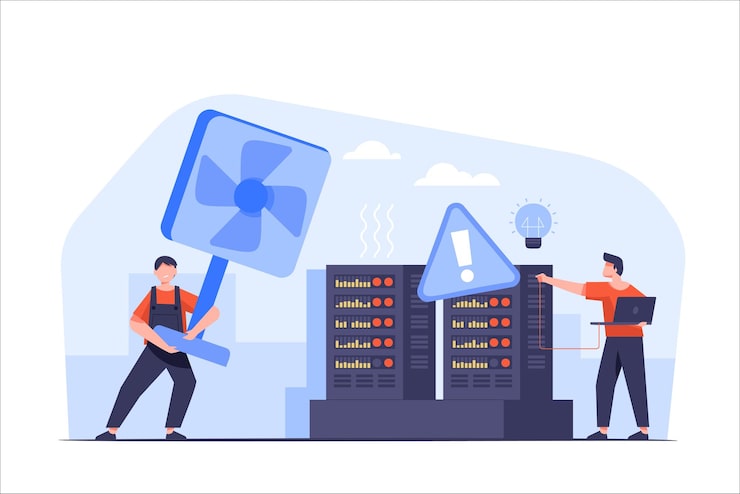
Refrigeration equipment fails. Compressors wear out. Thermostats drift out of calibration. Insulation in older vehicles deteriorates over time. When this happens without warning, product is exposed to unsafe temperatures before anyone notices.
Also, poorly maintained equipment is far more likely to fail at the worst possible moment. A refrigeration unit that runs hot on a summer delivery day is a serious risk waiting to happen. See our temperature-controlled shipping options.
Key equipment risks include:
- Ageing or poorly serviced refrigeration units
- Faulty temperature sensors or controllers
- Damaged insulation in cold storage rooms or vehicles
- Backup power systems that fail during an outage
Human Error
Human error is one of the leading causes of cold chain disruptions prevention failures. Doors left open, incorrect loading temperatures, and skipped pre-checks all create risk. Staff who are not trained properly make mistakes that are entirely avoidable.
For example, a delivery driver who does not pre-cool the van before loading is setting up a temperature breach from the very start. However, with proper training and clear procedures, most of these errors can be eliminated before they cause damage.
Inadequate Monitoring
If you cannot see what is happening inside your cold chain, you cannot respond to problems in time. Many cold chain transportation failures happen because temperature data is only checked after delivery. By then, the damage is already done.
Real-time monitoring changes this. When sensors flag a temperature excursion immediately, teams can act while there is still time to intervene. Without it, cold chain failure causes and fixes become a reactive exercise rather than a proactive one.
Long delays in transit are a major risk factor. A refrigerated truck stuck at a border crossing for hours faces a real challenge maintaining safe temperatures. Extreme weather conditions can push equipment beyond its designed operating range.
Even the best refrigeration unit cannot compensate for poor packaging. Products packed too tightly or wrapped in materials that block air circulation develop warm spots. Overloading a cold storage space reduces airflow significantly.
How to Prevent Cold Chain Failures
Preventing temperature control failures in cold chain operations requires a structured approach. It is not about fixing one thing; it is about building a system where multiple safeguards work together. Here is how to approach it effectively.
Invest in Real-Time Temperature Monitoring
This is the single most impactful step any cold chain operation can take. Real-time sensors placed throughout storage areas, vehicles, and loading docks provide continuous data. When a reading moves outside the accepted range, an alert is triggered immediately.
Modern monitoring systems can send alerts via SMS or app notification within seconds. So the team responds before a minor excursion becomes a full cold storage failure. This technology is now accessible at price points that make it viable for operations of all sizes.
What a good monitoring system should include:- Wireless temperature and humidity sensors
- Real-time dashboard with historical data access
- Automatic alerts with escalation protocols
- Data logging for regulatory compliance and audits
Build a Preventive Maintenance Schedule
Equipment maintenance is not something to do when something breaks. It needs to be scheduled, documented, and followed consistently. Compressors, seals, thermostats, and backup power systems all need regular inspection.
In addition, calibrating temperature sensors at regular intervals ensures accuracy. A sensor that reads one degree too warm may seem minor. However, for certain pharmaceutical products, that margin is the difference between safe and unsafe.
Cold chain management failures very often trace back to people rather than equipment. Training should cover pre-trip vehicle checks, correct loading procedures, and how to respond to a temperature alert.
For products moving through multiple hands or longer transit routes, validated packaging is essential. Thermal solutions maintain safe temperatures for defined periods, especially for high-stakes pharmaceutical shipments.
Plan for Contingencies
Every cold chain operation needs a documented contingency plan. What happens if the primary cold storage unit fails overnight? Who is the emergency contact for refrigeration repair? Where does product go if a vehicle breaks down in transit?
Without clear answers to these questions, a cold chain disruption quickly becomes a cold chain failure. Building contingency plans into standard operating procedures is a practical necessity rather than a "nice to have."
Cold Chain Disruptions Prevention at Scale
Larger operations face additional complexity. Multiple sites, vehicles, and handoff points each introduce new risk. However, the principles of prevention remain the same; they simply need to be applied more systematically.
Dashboards providing visibility across the entire operation make it possible to spot patterns, such as temperature spikes during specific delivery windows.
Auditing logistics partners regularly for vehicle maintenance and staff training is critical to preventing third-party failures.
Reviewing excursion records helps identify where failures concentrate and which equipment is approaching the end of its reliable lifespan.
In addition, this data supports regulatory reporting requirements. Investing in proper data capture and analysis delivers operational and compliance benefits at the same time. Visit FNR Logistics to discuss how we can secure your temperature-sensitive supply chain.
Common Questions
Cold Chain Failures & PreventionA cold chain failure occurs when temperature-controlled conditions are broken at any point in storage or transit. This exposes products to unsafe temperatures. The result is often spoilage, reduced efficacy, or regulatory non-compliance. Even short temperature excursions can cause significant damage depending on the product type. Explore our temperature-controlled shipping solutions.
The most frequent causes include:
- Equipment breakdown such as compressor failure or faulty sensors
- Human error including incorrect loading or skipped pre-checks
- Lack of real-time temperature monitoring
- Transit delays combined with extreme weather conditions
- Poor packaging or overloaded cold storage spaces
Prevention relies on several overlapping measures. These include real-time monitoring, scheduled equipment maintenance, thorough staff training, validated packaging, and documented contingency plans. No single measure is sufficient on its own. However, combining them creates a resilient system that significantly reduces risk. Consult with our freight forwarding experts for a strategy.
Real-time monitoring provides instant visibility into temperature conditions across your entire operation. When a sensor detects a deviation from the safe range, an alert is sent immediately. This allows the team to respond while there is still time to protect the product. Without this visibility, cold chain disruptions often go undetected until it is too late.
The most affected sectors include:
- Pharmaceuticals and vaccines where efficacy depends on strict control
- Fresh food and dairy where spoilage happens quickly
- Meat and seafood logistics where safety risks escalate fast
- Biotech and laboratory sample transport
Cold chain management is a core operational priority in each of these sectors. Visit FNR Logistics for professional support.
