Cold Storage and Transportation Integration: Enhancing Cold Chain Logistics
What Is Cold Storage and Transportation Integration?
Cold storage and transportation integration links your refrigerated storage with your delivery vehicles through one shared platform. Instead of running two separate systems, your team sees stock status, loading progress, vehicle temperatures, and route updates all in one place.
When these two sides run on their own, things go wrong. A pallet leaves before the truck is ready. A driver departs without checking the cargo temperature. These small problems add up fast and lead to lost products, compliance issues, and unhappy customers.
Integration fixes this. Your team monitors every transfer point. The system logs every reading. And when something goes off track, the right person gets an alert straight away while there is still time to act.
Why Is Cold Chain Logistics Integration Important?
Temperature-sensitive goods need consistent conditions at every stage. Whether you move fresh food, prescription medicines, or industrial chemicals, a break in the cold chain puts your product and your business at risk.
Cold chain logistics integration makes a real difference across several industries. Below is what it means for each one:
Food and Beverage
Meat, dairy, and frozen goods spoil fast when temperature control slips. A loading delay or a weak refrigeration unit is all it takes to put a full shipment at risk. Live alerts from an integrated system give your team enough notice to step in and stop the loss.
Pharmaceuticals
Vaccines, biologics, and other sensitive medicines must stay within strict limits. Most regulators require documented proof of this from production to patient. An integrated platform captures that proof on its own. As a result, your team stays audit-ready without spending hours on manual records.
Chemicals and Specialty Goods
Some industrial chemicals become unsafe outside specific temperature bands. This creates real safety risks, not just quality concerns. Integrated systems let you set precise limits. Furthermore, they send instant alerts the moment readings move outside what is acceptable.
Key Benefits of Cold Storage and Transportation Integration
How Cold Storage and Transportation Systems Work Together
The integration works across three main components:
Refrigerated Trucks
Today's refrigerated vehicles carry sensors that link to your fleet software. Your dispatch team watches every truck from one screen. If a cooling unit starts to fail, the system sends an alert right away. Your team can then send a backup vehicle, redirect the load, or call the driver before things get worse.
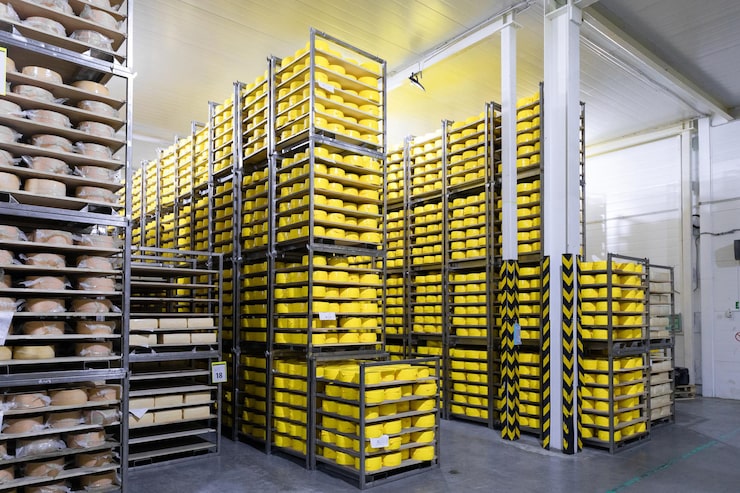
Temperature-Controlled Warehouses
Your warehouse does more than hold stock. It talks to the transport side in real time. Bays cool down before the truck even arrives. Staff release products in a set order to cut exposure time. If a dock delay starts, the system picks it up right away and notifies your team so they can respond before any damage occurs.
IoT-Enabled Solutions
Small sensors in storage rooms, containers, and trucks send temperature, humidity, and location data to one central dashboard. Your team checks the status of any part of the cold chain at any time. In addition, many platforms let you set up automated actions. For example, they can adjust a cooling unit from a distance or flag a load for review when readings go outside your limits.
Real-World Examples of Integrated Cold Storage and Transportation Solutions
Neither case needed major infrastructure work. Both came from connecting existing systems so the right information reached the right people at the right time.
Challenges in Cold Storage and Transportation Integration
Temperature Deviations
Short heat spikes at loading or unloading points cause more product loss than most businesses realise. However, when your storage and transport systems share live data, these spikes appear on screen the moment they occur. Your team acts right away instead of finding out about the damage later.
Logistical Delays
Traffic holdups, vehicle issues, and schedule changes can all disrupt the cold chain. With connected data, your team spots these problems as they develop. Drivers get new routes. Unloading schedules shift. Moreover, receiving staff get notified early so waiting time stays short.
Keeping Up with Regulatory Changes
Cold chain rules in food and pharma markets change often. A well-built platform absorbs these updates without a full rebuild. As a result, your compliance stays current and your operations team does not carry extra burden.
How to Choose the Right Cold Storage and Transportation Solution
No two operations are alike. Your industry, current tools, and growth plans all shape what you need. Use these four criteria to find the right fit:
- 1 Industry-Specific Fit: A system built for food logistics may not meet pharma documentation standards. Therefore, choose a platform designed for your sector. Do not settle for a general tool with cold chain features added on top.
- 2 Real-Time Monitoring: End-of-day reports do not work for perishable goods. The platform must deliver live readings. It should also push alerts the moment conditions shift outside your set limits.
- 3 Scalability: Your business will grow over time. So, pick a system that grows with you. It should handle new vehicles, new sites, and new product lines without requiring a full restart.
- 4 Proven Reliability: Ask vendors for uptime records and real case studies. A good demo does not show how the platform holds up under pressure. References from similar businesses tell you far more.