
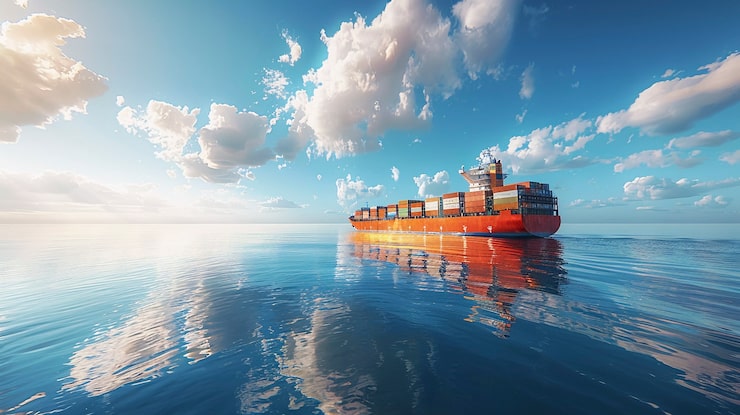
Missed sailings. Customs holds that stretch into weeks. A container sitting at Vancouver terminal while your buyer sends angry emails. These are not worst-case scenarios. They are everyday realities for businesses shipping internationally from Calgary.
This guide breaks down exactly why freight shipping delays in Calgary happen, where the risk points are in your supply chain, and what steps actually reduce those delays rather than just react to them.
The Real Reason Ocean Freight Delays Stack Up
International shipping from Calgary is a multi-step process. Your cargo moves from a warehouse to a truck, across the Rockies to Vancouver, through terminal handling, onto a vessel, and then through at least one more port before the final delivery. Each transition is a point where timing can break down.
What makes ocean freight delays particularly frustrating is that one small problem early in the chain tends to compound. A truck that runs two hours late from Calgary can cause a missed port cutoff. That missed cutoff pushes the sailing by a week. A week later arrival at the destination port then lands during a congestion period. What started as a minor inland hiccup turns into a three-week delay.
Six Most Common Causes of Ocean Freight Delays
Port congestion occurs when more vessels arrive than a terminal can efficiently process. Cranes slow down, berth schedules shift, and vessels waiting for a slot push departure time back. At the Port of Vancouver, this happens most sharply between August and October when pre-holiday cargo volumes hit their peak.
Shippers using Vancouver as their gateway for FCL shipments from Calgary can lose three to ten days to congestion without any fault in their own paperwork or scheduling. Choosing sailings with carriers that have dedicated berth windows and strong on-time track records reduces this exposure significantly.
Customs holds are responsible for some of the most unpredictable ocean freight delays in Calgary and at destination ports worldwide. A single mismatch between your commercial invoice and your packing list, an incorrect HS tariff code, or a missing product certificate can freeze your container at the border.
At Canadian export, customs errors can delay container loading. At the destination, the same issues become harder to resolve remotely and can hold cargo for weeks while queries are processed through government channels. The starting point for fixing this is treating documentation as seriously as the shipment itself. A licensed customs broker who handles your specific commodity type is not optional if you ship regularly.
Calgary sits nearly 970 kilometres from the Port of Vancouver. Ocean carriers enforce strict terminal cutoff windows, typically 24 to 48 hours before vessel departure. A truck that encounters road closures through the Rogers Pass, a mechanical issue, or a scheduling conflict at the terminal can arrive after that cutoff.
Once the cutoff passes, your container is bumped to the next available sailing on that route. Depending on vessel frequency, that wait can range from five to fourteen days. Building two extra days of cushion between your planned truck pickup and the vessel cutoff eliminates most of this risk without adding meaningful cost.
Container availability is not guaranteed, particularly during the July to October peak period. When global shipping demand spikes, carriers reposition empty equipment toward the highest-volume trade corridors. Calgary businesses trying to book a 40ft container within a week of their required ship date often find limited or no availability, which pushes departure back by days or weeks.
Booking three to four weeks ahead is the straightforward answer. It secures equipment before the shortage hits and typically also locks in a better rate before peak season surcharges kick in.
A blank sailing is when a carrier cancels a scheduled departure outright. This typically happens during low demand periods when there is not enough cargo across the network to justify operating a vessel at a loss. For shippers, it means cargo that was confirmed on a specific sailing gets rolled to a later vessel with little notice.
There is no way to prevent blank sailings. The practical response is working with a freight forwarder who monitors carrier network announcements and can shift your booking to an alternative sailing or carrier before the cancellation directly disrupts your delivery schedule.
Adverse weather affects ocean freight at multiple points. Winter storms along the British Columbia coast can close Vancouver terminal operations temporarily. Typhoon season across Asia causes port shutdowns and vessel rerouting on Pacific trade lanes. Fog events at major hubs slow berthing schedules regardless of how well planned your shipment was.
Weather delays are genuinely unpredictable. The only reliable buffer is building realistic delivery windows into your customer commitments, especially for shipments timed around product launches, seasonal inventory, or contract deadlines.
Delay Causes, Shipment Impact, and Solutions
Use this table as a quick reference for ocean freight delay management on your Calgary shipments:
| Delay Cause | What It Does to Your Shipment | How to Handle It |
|---|---|---|
| Port congestion | Vessel misses window, adds 3 to 10 days | Book off-peak, monitor terminal status |
| Customs hold | Cargo stuck at border, 2 days to weeks | Precise docs, certified customs broker |
| Missed port cutoff | Next sailing 5 to 14 days later | Add 2 buffer days to inland trucking |
| Equipment shortage | No container at time of booking | Book 3 to 4 weeks in advance |
| Blank sailing | Departure cancelled, cargo rolled over | Use forwarder who tracks carrier alerts |
| Weather events | Port closure or vessel rerouting | Build delivery buffer into your timeline |
Delay ranges are typical estimates. Actual duration varies based on route, carrier, and time of year.
How to Avoid Delays in FCL Shipping from Calgary
Most FCL shipping delays are preventable with the right groundwork. These are the habits that experienced Calgary exporters build into their shipping process:
- Prepare documents before booking: commercial invoice, packing list, HS codes, and required certificates should be ready before the container is ordered
- Add inland buffer time: schedule truck pickup two days before the port cutoff, not the day before
- Book equipment early: three to four weeks ahead during peak season, two weeks minimum in off-peak months
- Choose carriers by reliability: ask your forwarder for on-time performance data on your specific route before committing
- Track shipments in real time: issues caught at the booking or loading stage are far cheaper to resolve than problems discovered mid-ocean
- Use a Calgary-based forwarder: someone with active relationships on the Calgary to Vancouver corridor responds faster when problems arise. Explore our international freight forwarding solutions.
When a Delay Is Already Happening
Speed of response matters more than anything else once a delay is in motion. Here is the right order of actions:
- Reach your freight forwarder immediately: the sooner they know, the more rebooking and rerouting options remain available
- Assess air freight for critical goods: for high-value or time-sensitive cargo, switching to air may cost less than the commercial impact of arriving late
- Update your consignee right away: a proactive communication with a realistic revised timeline protects the relationship far better than silence
- Review your cargo insurance policy: certain causes of delay may trigger coverage depending on your policy terms
- Keep a written record: dates, contacts, and correspondence create a clear paper trail if a carrier claim becomes necessary
Still have questions? Visit fnrlogistics.ca to speak with a specialist today.
Frequently Asked Questions
The most repeated causes for Calgary-based shippers are:
- Port congestion at Vancouver slowing terminal operations
- Customs holds from incomplete or inaccurate export documents
- Inland transport arriving after the port terminal cutoff window
- Container shortages during July to October peak shipping season
- Carrier blank sailings with limited advance notice
Act quickly and follow these steps:
- Call your forwarder immediately to review rebooking options
- Consider partial or full air freight if the shipment is time critical
- Notify your buyer with a clear and honest revised arrival estimate
- Check your insurance coverage for the specific cause of the delay
Prevention is always cheaper than recovery. Focus on these:
- Complete and accurate shipping documents submitted before cargo moves
- Two days of buffer time built into the Calgary to Vancouver inland leg
- Container bookings placed at least three weeks before the required ship date
- A freight forwarder who actively monitors carrier schedules and blank sailing alerts
Duration varies by cause:
- Port congestion: 3 to 10 additional days in most cases
- Customs hold: 2 days at best, several weeks if the issue is complex
- Missed port cutoff: 5 to 14 days waiting for the next sailing
- Blank sailing: typically, 7 to 14 days to the next confirmed departure
- Weather disruption: 1 to 5 days for standard events, longer for major incidents
Calgary's inland location creates specific challenges:
- The inland leg adds both time and risk before cargo even reaches the ocean
- Missing a port cutoff in Calgary means a much longer wait than for a nearby shipper
- Mountain pass road closures add unpredictability to the inland trucking schedule
- More coordination is required across truckers, terminals, and ocean carriers
For more information, explore our ocean freight and international freight forwarding services.
WhatsApp us