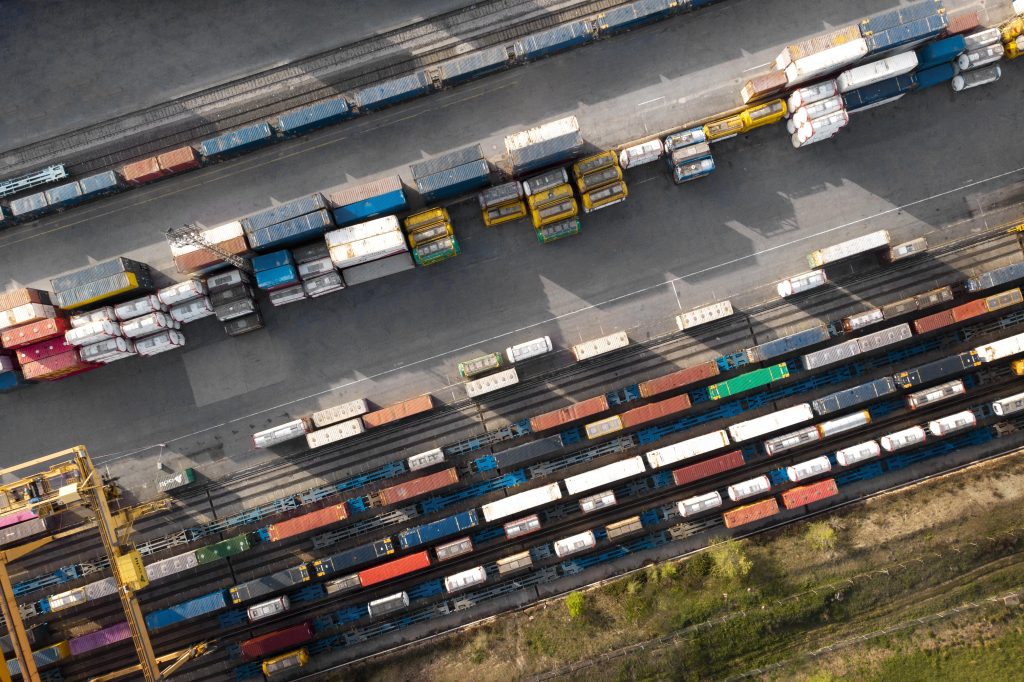
Eco-friendly and cost-effective rail transport for bulk commodities, containers, and intermodal shipments across North America.
BENEFITS
Most Sustainable Shipping Method
Rail produces dramatically lower greenhouse gas emissions per ton-mile than road freight typically four times more fuel-efficient than trucking across equivalent distances. For Canadian businesses with sustainability reporting requirements or emissions reduction commitments, shifting bulk cargo from truck to rail is one of the most measurable improvements available in an overland supply chain.
Optimal for Bulk Commodities
No other land-based shipping mode delivers the per-unit economics that rail does for high-volume, heavy cargo. Grains, minerals, aggregates, fertilizers, and industrial raw materials move cheaply by rail precisely because the capacity per departure is enormous. If your commodity is dense, heavy, and moves in quantity, rail freight almost always delivers the lowest landed cost available on long hauls.
Long-Distance Efficiency
Trucking makes sense for short regional moves. Past the 500-mile mark, rail starts winning on both cost and consistency. Train schedules run regardless of highway congestion, driver availability, or weather events that routinely delay road freight. For coast-to-coast Canadian movements or long cross-border corridors into the US, rail transit times are predictable in a way that trucking often isn’t.
Intermodal Flexibility
Rail doesn’t have to mean origin-to-destination by train alone. Intermodal shipping combines rail with truck drayage at each end and, where relevant, ocean connections at port. A standard shipping container moves from a supplier’s dock by truck to a rail terminal, crosses the country by train, and transfers to a final delivery truck without the cargo ever being touched. FNR Logistics coordinates the full intermodal chain, not just the rail segment.
High Capacity & Reliability
A single freight train carries the equivalent of hundreds of truckloads. That scale means shippers moving serious volume don’t need to manage dozens of individual truck bookings one train departure handles what would otherwise require a convoy. Scheduled departures run on timetables that, unlike road freight, aren’t affected by traffic, driver hours, or road conditions in the same way.
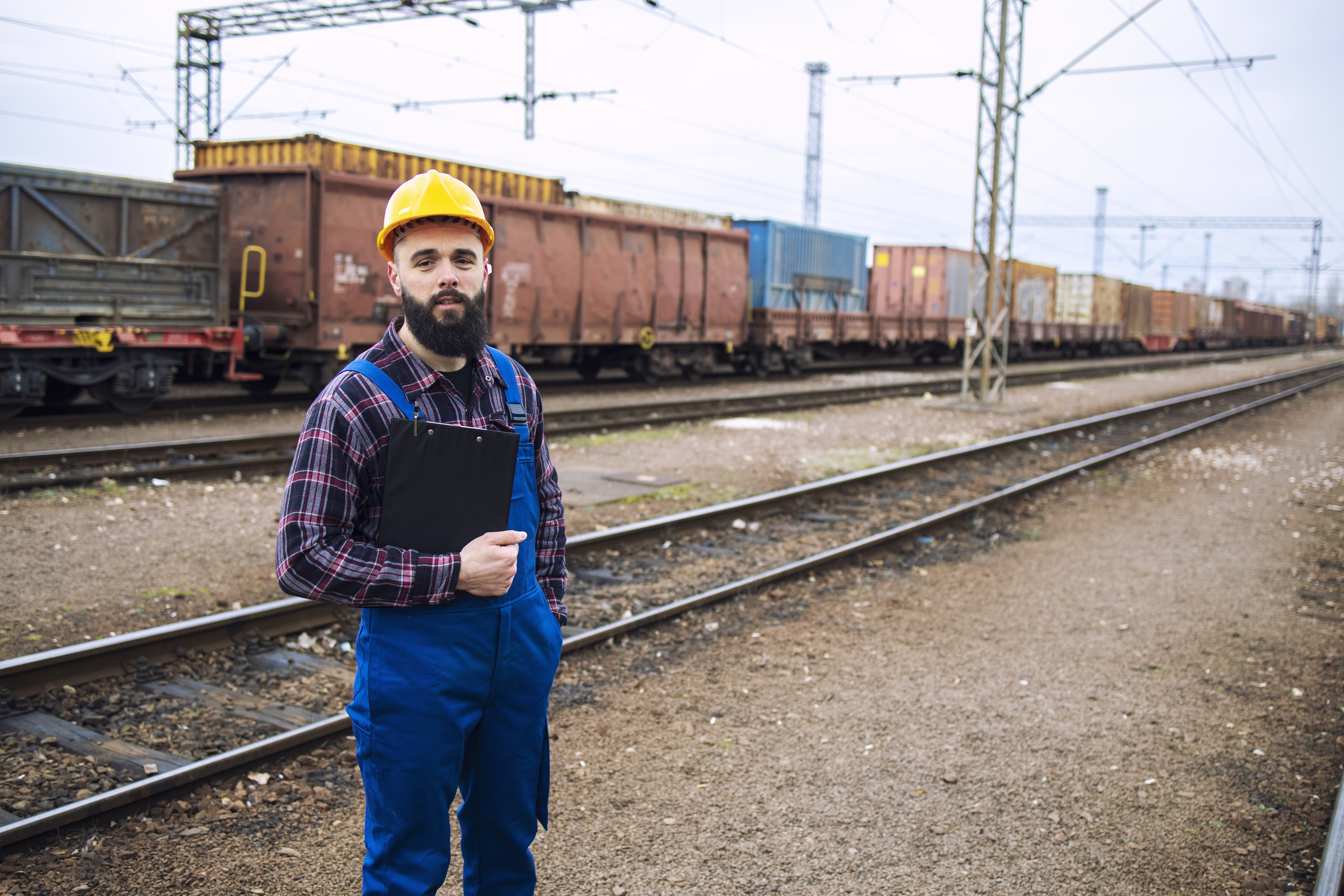
Rail is one of the most underused shipping modes in North America and one of the most practical for the right cargo. It moves bulk commodities, containers, and industrial goods across long distances at a fraction of trucking costs, with a carbon footprint that no other land-based mode comes close to matching. FNR Logistics connects Canadian shippers to rail networks across Canada and into the US, managing the full move from origin facility to final delivery with the coordination that intermodal freight demands.

Green & Cost-Effective
Lower emissions and lower costs make rail an excellent choice for high-volume shipping.

Seamless Intermodal Integration
We combine rail with trucking for end-to-end delivery—no missed links in your supply chain.

Bulk & Heavy Freight Friendly
Ideal for transporting large quantities, machinery, or raw materials efficiently.

Cross-Border Rail Access
Reliable service across Canada–U.S. borders with full customs compliance.

Live Tracking & Status Updates
Real-time visibility so you always know where your freight is—and when it arrives.
Industries We Serve
Agriculture & Food Processing
Western Canada moves enormous volumes of grain, canola, potash, and feed ingredients by rail every year it’s simply how the agricultural supply chain functions at that scale. FNR Logistics supports grain handlers, food processors, and fertilizer distributors with bulk rail coordination, car supply management, and documentation for both domestic and export movements.
Mining & Natural Resources
Coal, iron ore, copper concentrates, aggregates, petroleum coke, and industrial chemicals are heavy, high-volume commodities that rail was essentially built to carry. FNR Logistics works with mining operations and resource companies across Canada to coordinate rail movements from mine site or processing facility to port, smelter, or end customer including cross-border movements into US markets.
Automotive Manufacturing
Canada’s automotive sector runs on tight just-in-sequence delivery schedules. Rail handles finished vehicle distribution between assembly plants and dealership distribution hubs efficiently and at lower cost than trucking equivalent volumes. FNR Logistics coordinates autorack car supply and scheduling for vehicle manufacturers and importers with regular outbound distribution requirements.
Construction Materials
Infrastructure projects consume cement, structural steel, dimensional lumber, and dry bulk materials in quantities that make rail the only practical inbound logistics solution at scale. FNR Logistics supports construction supply chains with bulk and intermodal rail freight coordinating delivery scheduling around project timelines where possible and managing the volume fluctuations that large infrastructure programs create.

Intermodal Container Shipping.
Standard ISO containers move efficiently on double-stack rail cars, which is how most containerized rail freight operates across North American corridors. FNR Logistics manages intermodal container shipments from port terminals to inland destinations and between major Canadian cities coordinating rail bookings, terminal transfers, and truck drayage at both ends. It's an efficient solution for shippers who want the cost advantage of rail combined with the door-to-door service that straight rail can't always provide on its own.
Bulk Commodity Rail Transport
Different bulk commodities need different railcar types, and using the wrong one causes loading problems, contamination risk, or regulatory issues. Hopper cars handle dry bulk like grain, potash, and aggregates. Tank cars carry liquids, chemicals, and petroleum products. Gondola cars suit scrap metal, coal, and heavy loose materials. FNR Logistics matches your commodity to the correct equipment, coordinates car supply, and manages the documentation that bulk rail shipments require particularly for cross-border moves with commodity-specific import and export requirements.
Automotive Finished Vehicles.
Finished vehicles don't move by truck in volume they move by rail on autorack cars designed specifically for the purpose. Bi-level configurations carry larger vehicles like trucks and SUVs. Tri-level racks maximize capacity for passenger cars. FNR Logistics arranges automotive rail transport for vehicle manufacturers, importers, and fleet operators moving finished units between assembly plants, port terminals, and distribution centers across Canada and the US. Careful coordination at loading and unloading is built into every move.
Cross-Border Rail Services
Canada and the US share some of the busiest rail corridors in the world. CN and CP rail networks cross the border at multiple points, and FNR Logistics works within both to coordinate shipments that need seamless customs clearance without the delays that poorly prepared border documentation creates. We handle PARS and ACI filings, commodity classification, and carrier coordination on both sides of the border keeping cross-border rail freight moving the way it should rather than sitting at a crossing waiting on paperwork.
Dedicated Train Services
For shippers moving a single commodity in very high volume, a unit train a dedicated consist running entirely one product from origin to destination delivers operational and cost efficiencies that mixed freight can't match. Shuttle train services between fixed origin and destination pairs work particularly well for grain elevators, potash mines, and industrial facilities with consistent outbound volume. FNR Logistics structures volume-based contracts and coordinates equipment supply for clients whose shipping profile fits the dedicated train model.
FAQ
Rail shipping is one of the most cost-effective ways to move large volumes of freight over long distances. Costs are generally lower than trucking especially for bulk or heavy cargo but vary based on several factors.
Key pricing factors include:
· Cargo type and volume — bulk, containerized, or oversized freight is priced differently
· Distance and route — longer hauls typically offer better per-mile rates than trucking
· Container type — dry, refrigerated, or flatcar equipment carries different rates
· Intermodal components — first- and last-mile trucking connections add to the base rail cost
· Fuel surcharges and rail carrier tariffs — fluctuate with market conditions
At FNR Logistics, we provide competitive rail freight pricing across Canada and the U.S. with full cost transparency. Contact us for a free quote tailored to your cargo and route.
Neither is universally better the right choice depends on your shipment size, timeline, and destination. Rail and truck each have clear strengths, and the smartest shippers often use both together.
Choose rail if:
· You're moving large volumes or heavy bulk freight
· Your route covers long distances across Canada or the U.S.
· Cost efficiency and sustainability are priorities
· Delivery windows of 5–14 days are acceptable
Choose truck if:
· You need faster, time-definite delivery
· Your origin or destination isn't near a rail terminal
· Your shipment is smaller or requires flexible routing
· You need residential or final-mile access
At FNR Logistics, we often combine both through intermodal solutions using rail for the long haul and trucks for first- and last-mile connections. Contact us and we'll recommend the most efficient option for your lane.
Intermodal shipping means moving cargo using two or more modes of transport most commonly rail and truck within a single, seamless journey. The cargo stays in the same container throughout, which reduces handling, lowers damage risk, and cuts costs.
Here's how it typically works:
· Step 1: A truck picks up your cargo from the origin (first-mile)
· Step 2: The container is loaded onto a rail car for the long-distance haul
· Step 3: At the destination rail terminal, a truck delivers to the final address (last-mile)
Intermodal shipping gives you the cost and sustainability advantages of rail combined with the flexibility and reach of trucking. At FNR Logistics, we coordinate the full intermodal journey rail booking, trucking connections, tracking, and customs all under one roof.
Rail freight is best suited for high-volume, heavy, or bulk shipments that don't require urgent delivery. It's an especially smart choice when moving goods long distances across Canada or into the U.S.
Cargo types well-suited for rail include:
· Bulk commodities — grain, lumber, aggregates, and raw materials
· Heavy industrial equipment — machinery, manufacturing parts, and steel
· Construction materials — concrete products, pipes, and structural components
· Agricultural products — fertilizers, seeds, and processed food
· Automotive parts — components and assembled vehicles
· Consumer goods — large retail volumes moving between distribution hubs
· Oversized cargo — out-of-gauge freight that fits on flatcars
Not sure if rail is right for your cargo? FNR Logistics will assess your shipment and recommend the most efficient and cost-effective mode. Get in touch today.
Yes. FNR Logistics provides complete door-to-door rail freight service through integrated intermodal and multimodal transport solutions. Rail alone only moves cargo between terminals but we bridge that gap with trucking at both ends.
Our door-to-door rail service includes:
· First-mile trucking — pickup from your warehouse or facility to the origin rail terminal
· Rail transport — long-haul movement across Canada or into the U.S.
· Last-mile trucking — delivery from the destination terminal to the final address
· Real-time tracking — full visibility across every leg of the journey
· Customs clearance support — for cross-border rail shipments
You deal with one logistics partner from start to finish no coordinating between multiple carriers. Contact FNR Logistics to plan your end-to-end rail shipment today.
Yes — rail is one of the most environmentally friendly ways to move freight. Compared to trucking, rail produces significantly fewer greenhouse gas emissions per tonne of cargo moved, making it a smart choice for businesses with sustainability goals.
Key environmental advantages of rail freight:
· Up to 75% lower carbon emissions per tonne-kilometre compared to road transport
· Higher fuel efficiency — trains move more cargo using far less fuel per unit
· Reduced road congestion — fewer trucks on highways means lower overall traffic emissions
· Scalable and sustainable — ideal for high-volume shippers looking to reduce their carbon footprint
At FNR Logistics, rail freight is a core part of our commitment to eco-friendly logistics solutions. If your business is working toward greener supply chain practices, rail is an excellent place to start. Contact us to explore sustainable shipping options.
Yes. FNR Logistics provides cross-border rail freight services between Canada and the U.S., managing the full journey including customs documentation, compliance, and carrier coordination on both sides of the border.
Our cross-border rail services include:
· Canada–U.S. rail transport using established North American rail networks
· Export and import customs clearance at all border crossings
· Full documentation support — commercial invoices, customs declarations, and classification
· Intermodal connections — trucking at origin and destination for complete coverage
· Live tracking and proactive updates throughout the cross-border move
Cross-border rail can be complex but with FNR Logistics managing every step, you get a smooth, compliant, and cost-effective shipment from origin to destination. Contact us to plan your cross-border rail freight today.