 Skip to main content
Complete Guide to Freight Shipping in Canada: Ocean, Rail, Cold Chain and Heavy Cargo
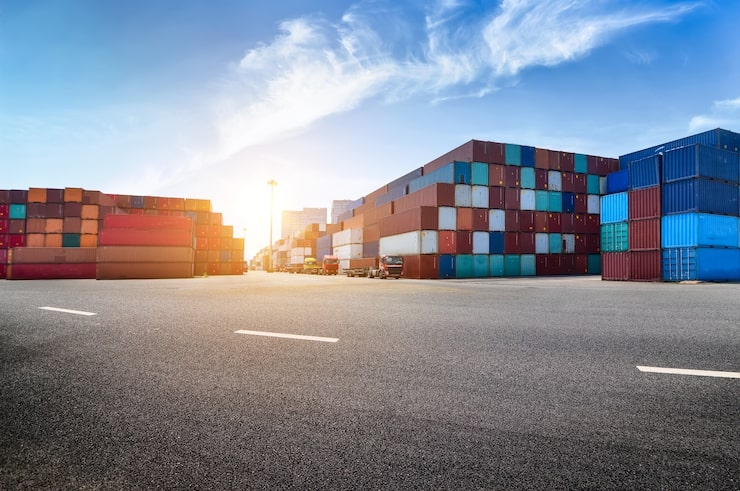
FCL Ocean Shipping from Calgary: What You Need to Know
FCL stands for Full Container Load. Your goods fill one container, and no other shipper shares your space. As a result, you get faster customs clearance and lower per-unit freight costs compared to shared services.
For Calgary businesses, FCL ocean shipments typically route through the Port of Vancouver. From there, cargo moves inland via efficient ground transportation (rail or truck). Transit times from Asia or Europe typically run between 18 and 28 days.
When FCL Makes Sense
- Your shipment fills at least 60 percent of a standard container.
- You import machinery, raw materials, or finished goods from overseas via international freight forwarding channels.
- Full cargo control matters and co-loading is not acceptable for your brand.
- You want stable per-unit costs on large or recurring orders.
- Customs clearance speed is a high priority for your supply chain.
For example, a Calgary hardware distributor importing tools from China ships an FCL from Shanghai through Vancouver. The goods then move by rail to Calgary. As a result, costs stay predictable and delivery windows stay consistent each cycle.
FCL vs LCL: Which One to Pick?
LCL, or Less than Container Load, splits container space among several shippers. Therefore, it suits smaller volumes that do not fill a full box. However, LCL adds handling time and raises damage risk due to consolidation.
In contrast, FCL gives you speed, security, and better rates at scale. For businesses shipping regularly in volume, FCL is almost always the smarter long-term option for maintaining inventory levels without delays.
Speak to our team at fnrlogistics.ca
Refrigerated Shipping in Canada: Cold Chain and Frozen Freight
Temperature-controlled freight is one of the most demanding areas in Canadian logistics. A single break in the cold chain can mean spoiled product, rejected loads, and significant losses. Moreover, regulatory consequences can follow.
Frozen freight shipping must stay below minus 18 degrees Celsius at all times. Refrigerated cargo, on the other hand, runs between 2 and 8 degrees. This range covers fresh produce, dairy, seafood, and pharmaceuticals. These are separate requirements. Consequently, a carrier set up for one is not automatically right for the other.
What a Reliable Cold Chain Service Includes
- Pre-cooled trailers brought to temperature before loading begins.
- Real-time temperature monitoring with digital logs for the full journey.
- Trained drivers who follow cold chain handling procedures at every stop.
- Full compliance records for audits, insurance, and regulatory checks.
- Contingency plans for equipment failure or unexpected delays.
Consider a Calgary food distributor shipping fresh salmon from Nova Scotia to Alberta retailers. The product must stay between 0 and 2 degrees throughout. Furthermore, any temperature deviation results in a rejected load at the receiving dock. A provider with the right cold chain infrastructure prevents that situation entirely.
Why Documentation Is as Important as Equipment
Retailers and regulators both require proof of temperature compliance. Without proper records, loads get rejected even when the product arrives in good condition. Therefore, documentation is not optional. It is a core part of every refrigerated and frozen cargo shipment.
FNR Logistics provides full compliance records with every cold chain delivery. Discover our refrigerated shipping solutions across Canada at fnrlogistics.ca.
Rail Transport and Train Cargo Shipping Across Canada
Canada has one of the longest rail networks in the world. CN Rail and CP Rail together link every major province. For bulk freight over long distances, rail consistently offers better value than road-only trucking.
Nevertheless, rail works best as part of a broader intermodal strategy. Goods move by truck to the nearest terminal, travel by train across the long-haul section, and finally, a truck completes the delivery leg. This combination cuts cost where distance is greatest.
Key Benefits of Rail and Intermodal Freight
- Lower cost per tonne on long-distance domestic routes.
- High capacity for grain, lumber, chemicals, and industrial materials.
- Reliable scheduling between Vancouver, Calgary, Toronto, and Montreal.
- Smaller carbon footprint compared to full truck loads over long corridors.
- Less exposure to driver shortage issues on national routes.
In addition, intermodal solutions combine rail efficiency with trucking flexibility. For instance, a Calgary manufacturer shipping goods to Ontario can cut meaningful cost per load. Transit times still stay within acceptable windows. However, short hauls or remote locations without nearby terminals are usually better served by direct ground transportation.
What to Check Before Choosing Rail
Always calculate the full door-to-door cost. The rail rate alone does not tell the full story. Terminal access at both ends, drayage fees, and transit time all affect the final figure. Therefore, ask your logistics provider for a complete breakdown before committing.
Explore our rail and intermodal shipping services at fnrlogistics.ca/contact/
Heavy Cargo Transportation and Oversized Freight Shipping in Canada
Not all freight fits on a standard truck. Oversized freight shipping covers cargo that exceeds legal road dimensions or weight limits. Naturally, this requires a very different approach from standard logistics.
Alberta's energy sector drives strong demand for heavy cargo transport. Drilling rigs, pressure vessels, and wind turbine components all need specialist handling. Moreover, moving a single oversized load from Calgary to northern Alberta can involve multiple permits, escort vehicles, and coordination with provincial highway authorities.
Core Requirements for Heavy Cargo Moves
- Confirmed weight and dimension data before any booking is made.
- Route surveys to find low bridges, narrow roads, and restricted zones.
- Separate permits for each province the shipment passes through.
- Escort vehicles when loads exceed legal width or height thresholds.
- Specialist trailers such as lowboys, multi-axle platforms, and extendable flatbeds.
As a result, heavy cargo transportation is not something to hand off to a general carrier. The risk of permit violations and route errors is simply too high. Furthermore, many provinces restrict oversized loads to daylight hours only. FNR Logistics handles all coordination so your equipment arrives safely and on schedule.
How to Plan an Oversized Freight Move
Good planning starts weeks before the load moves. Permits take time to process and route surveys must happen before a path is confirmed. In addition, escort vehicle bookings require advance notice. Starting early avoids costly last-minute delays.
Contact FNR Logistics at fnrlogistics.ca to begin planning your heavy freight move today.
Freight Shipping Methods Compared
Use this table to compare the main freight options side by side. Each method suits a different cargo type, budget, and timeline.
| Method | Ideal Cargo | Transit Time | Avg Cost | Temp Control |
|---|---|---|---|---|
| FCL Ocean Shipping | High-volume international | 15 – 30 days | Low per unit | Optional reefer |
| Rail / Intermodal | Bulk inland freight | 3 – 7 days | Moderate | Limited |
| Refrigerated Truck | Cold chain, pharma | 1 – 5 days | Higher | Full control |
| Heavy Cargo / Lowboy | Oversized industrial | Varies | High | N/A |
| LTL Trucking | Smaller mixed loads | 2 – 6 days | Per pallet | Optional |
Choosing the Right Freight Method
Match your situation to the right solution using the guide below. Each point reflects real logistics decision-making, not guesswork.
- International Volume: Choose international freight forwarding (FCL) for cost control and reliable transit times.
- Temperature Control: Choose refrigerated and frozen cargo shipping with full cold chain monitoring and compliance records.
- Bulk Long-Distance: Choose rail or an intermodal rail and truck combination for the best cost-to-speed balance across Canada.
- Oversized/Overweight: Choose a specialist in heavy cargo transportation with permit and route planning expertise.
- High Speed: Choose direct full truckload (FTL) via ground transportation for the fastest door-to-door option.
FNR Logistics assesses your shipment, route, and budget to give you a clear answer.
Visit fnrlogistics.ca to get started today
Freight Shipping Costs in Canada: What to Expect
Canadian freight rates vary widely. Knowing what drives cost helps you plan your budget and avoid surprises on the final invoice. Whether you are moving goods via ground transportation or international lanes, clarity is key.
Primary Cost Drivers
- Distance: Total mileage between pickup and delivery points.
- Cargo Specifications: Weight and dimensions (oversized loads trigger higher tiers).
- Shipping Method: Specialty services like refrigerated or heavy haul carry premiums.
- Seasonality: Demand spikes during agricultural harvest and peak retail periods.
- Fuel Surcharges: Market-adjusted rates added to the base cost.
Hidden Costs to Watch For
- Demurrage and detention fees at ports or rail terminals.
- Provincial permit fees for oversized loads crossing borders.
- Customs brokerage charges on international freight forwarding shipments.
- Data logging and monitoring equipment fees for cold chain cargo.
Summary
- FCL Ocean Shipping: Most cost-effective for high-volume international cargo.
- Refrigerated & Frozen: Requires continuous monitoring and full compliance documentation.
- Rail Transport: Offers strong value for long-haul domestic domestic routes.
- Heavy Cargo: Demands specialist equipment and careful route planning.
Frequently Asked Questions
What is FCL ocean shipping and when does it make sense?
FCL (Full Container Load) means your goods fill one entire container. It makes sense when your shipment fills at least 60% of a container, offering faster customs clearance and less handling risk for Calgary importers using the Port of Vancouver.
What is the difference between frozen and refrigerated shipping?
Frozen freight stays below -18°C, while refrigerated shipping maintains 2 to 8°C. Both require documented temperature logs to prevent spoiled cargo and rejected deliveries.
Is rail transport cheaper than trucking across Canada?
Generally, yes, for bulk shipments over 500 kilometres. Intermodal solutions combining rail and trucking often deliver the best overall value for national distribution.
What does oversized freight shipping involve?
It requires precise weight/dimension data, individual provincial permits, and often escort vehicles. Specialist providers manage the entire route planning process on your behalf.
Does FNR Logistics handle freight outside Calgary?
Yes, FNR Logistics serves businesses across all major Canadian provinces, managing routing, documentation, and end-to-end tracking for ocean, cold chain, rail, and heavy haul transport. Visit fnrlogistics.ca to speak with a specialist.
Get your personalised freight quote today at fnrlogistics.ca/contact/
