Customs Clearance Process Explained for Imports in Canada
What is Customs Clearance
Customs clearance is the step where your goods get approved to enter a country. Authorities check what you are importing, what it is worth, and whether it meets local rules. Think of it as a gate your shipment must pass through before it can be delivered.
For importers, good paperwork is everything at this stage. Clear and correct documents help things move fast. Errors or missing details slow things down. One small mistake can hold up a shipment for days.
How Customs Clearance Works
Here is how customs clearance works in simple terms. Your shipment arrives. A customs officer checks your documents. Duties and taxes are worked out. Then the goods are either released or held for more review. That is the core of it.
Most of this process now runs online. A customs broker or importer sends in the entry data before the goods arrive. The system checks that data right away. Most shipments clear with no physical check at all. However, if something does not match, an officer steps in to look closer.
Step by Step Shipment Clearance Process
The shipment clearance process varies based on what you ship, where it comes from, and how it travels. Even so, most shipments follow the same basic steps. Knowing these steps helps you stay prepared.
Documentation Review
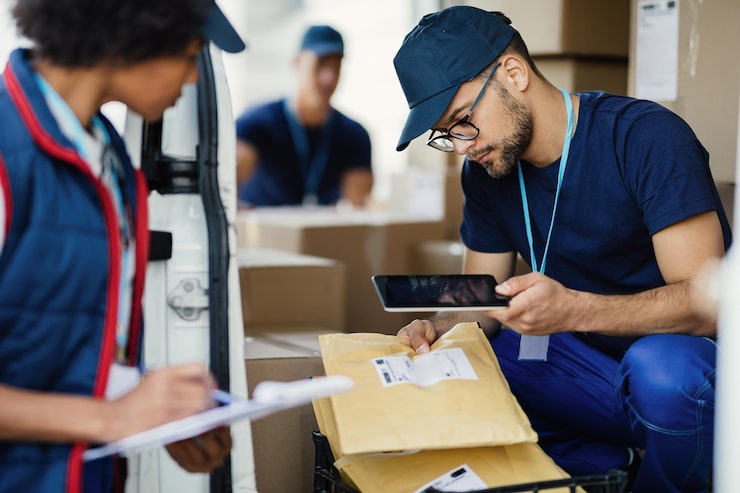
First, officers check your paperwork. You need a commercial invoice, a packing list, and a bill of lading or airway bill. Some shipments also need a certificate of origin. If you import into Canada, certain goods also need import permits.
Your invoice must have clear product names and correct values. Vague terms like "general goods" can trigger a hold. Similarly, values that do not match across your documents raise red flags. So, keep all your paperwork clear, detailed, and consistent.
Duties and Taxes
After the document check, officers work out the duties and taxes. They use your product's HS code and declared value to do this. The HS code sets your duty rate. Getting it wrong can cost you money or create a compliance issue down the line.
In Canada, the Canada Border Services Agency (CBSA) handles this step. They apply GST or HST plus any customs duties. The rate depends on where your goods came from and which trade deals apply.
Inspection or Release
Once duties are settled, most shipments move ahead quickly. Only a small number go to physical inspection. During a check, officers may open boxes, weigh items, count units, or take samples.
Not every inspection means there is a problem. Some are random. Others happen when risk signals appear in the data. After customs clears your goods, your carrier picks them up and delivers them to the final address.
Import Customs Clearance in Canada
Canada uses a clear system for import customs clearance, managed by the CBSA. Your goods may arrive by air, sea, or truck. The main steps stay the same either way, but some details change based on the port and transport type.
Canada has free trade deals with many countries, including the US and Mexico under CUSMA. These deals can lower or remove duties on qualifying goods. However, you must have the right paperwork to use these benefits. A certificate of origin is usually the key document you need.
Some product types also have extra rules. Food, medicine, farm goods, and supply-managed items all have their own requirements. If you are not sure about the rules for your product, it is worth getting help from someone who knows customs processing in Canada well.
What Happens During Customs Clearance
As soon as a shipment reaches the border, the process starts. The importer or a customs broker files an entry with the authorities. The system checks that entry right away. This is the heart of what happens during customs clearance in real terms.
If everything looks good, the system gives a release. But if it spots a mismatch, an officer steps in. That officer may ask for more papers, question the declared value, or send the shipment for a physical check.
As an importer, you can avoid most of these issues. Just have all your documents ready before the goods leave. Waiting until the shipment reaches the border to sort out paperwork leads to storage fees and missed deadlines.
Common Delays in Customs Processing Canada
Most shipments clear customs without big delays. But when delays do happen, they usually come from small, avoidable mistakes. Here are the most common causes.
Wrong or incomplete invoices are the top cause. Missing the seller address, using vague descriptions, or leaving out the country of origin can all cause a hold. Another common problem is using the wrong HS code, especially for goods that could fit more than one category.
Goods that need permits but arrive without them will stop at the border. No other clean paperwork will fix that. Also, declared values that seem too low compared to market prices draw extra attention. Customs authorities check values against databases, so low-ball figures usually create more problems than they solve.
Finally, peak shipping seasons slow things down across the board in terms of customs processing in Canada. Even clean shipments take longer during the holiday period or major trade events. Build extra time into your schedule during these busy windows.
Choosing the Right Logistics Support
Clearing customs well is not just about knowing the rules. It is about having the right habits and the right people on your side. For regular importers, a good logistics partner makes a big difference.
A strong partner spots problem before your shipment leaves, not after it is stuck at a Canadian port. They know what documents your product needs, how duties work, and how to fix unexpected holds fast.
If you want a team with real experience in cross-border freight and customs work, FNR Logistics offers practical support for Canadian importers. They work with businesses that want clear, reliable help rather than guesswork.
Frequently Asked Questions
Yes, it can. Delays happen most often when paperwork is missing or unclear. Most issues resolve quickly once you send the right documents. Even so, delays can add several days to your timeline. It is best to get everything right before the shipment leaves.
It depends. Many shipments with complete documents clear in a few hours. Others, especially those held for inspection, can take a few days. Therefore, the safest approach is to have all your documents ready before the goods reach the border.
No. Authorities check only a portion of shipments. Some are random checks. Others happen because of risk signals in the data. Most shipments with accurate documents move through without any physical check.
Small paperwork mistakes are the most common cause. Wrong HS codes, missing permits, and mismatches between your invoice and the actual goods are all frequent triggers. Moreover, values that look too low for the product type tend to get extra attention.
It is not always required, but most importers find it very helpful. A broker knows the rules, understands what documents you need, and files your entry correctly. For regular importers, the cost of a broker is usually much less than the cost of delays from avoidable errors.